What Is the Punishment for Drug Trafficking?
March 20, 2026
Drug trafficking is one of the most aggressively prosecuted criminal offenses under both Florida and federal law. Unlike simple possession or low-level drug charges, drug trafficking carries mandatory minimum sentences, substantial prison time, and severe financial penalties—often regardless of whether drugs were actually sold.

If you or a loved one is facing a drug trafficking charge, understanding how these cases work and the potential punishment involved is critical.
What Is Considered Drug Trafficking?
Drug trafficking does not always mean transporting drugs across borders or running a large-scale operation.
Under Florida law, drug trafficking is typically charged when a person is accused of knowingly selling, purchasing, manufacturing, delivering, or possessing a controlled substance in excess of a certain weight threshold.
In many cases, possession alone is enough to trigger a trafficking charge—even without evidence of intent to sell. It is the weight of the drug that will determine the charge, not necessarily the facts surrounding the case.
Common Drugs Involved in Trafficking Charges
Drug trafficking laws apply to many controlled substances, including:
- Cocaine
- Heroin
- Fentanyl
- Methamphetamine
- Oxycodone
- Hydrocodone
- Morphine
- Marijuana (above statutory weight limits)
- MDMA (Ecstasy)
Each drug has specific weight thresholds that determine the severity of the charge and punishment.
Drug Trafficking Punishments in Florida
Florida drug trafficking penalties are among the harshest in the country and often include mandatory minimum prison sentences. Judges have very limited discretion once a trafficking conviction occurs.
Mandatory Minimum Sentences
Depending on the substance and quantity involved, penalties may include:
- 3 years in prison (minimum)
- 7 years in prison
- 15 years in prison
- 25 years to life in prison
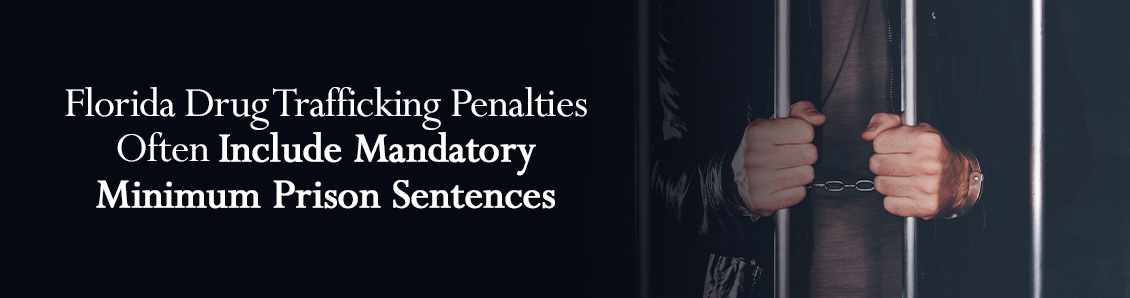
These sentences must be served day-for-day in many cases, with limited eligibility for early release.
Mandatory Fines
In addition to prison time, drug trafficking convictions include mandatory fines, such as:
- $25,000
- $50,000
- $100,000
- $250,000 or more
Fines increase as the quantity of drugs increases.
Federal Drug Trafficking Penalties
Drug trafficking may also be prosecuted in federal court, particularly when the case involves:
- Interstate activity
- International borders
- Large quantities of drugs
- Federal agencies (DEA, FBI, Homeland Security)
Federal penalties often include:
- Longer prison sentences
- Federal sentencing guidelines
- Asset forfeiture
- Limited parole options
Federal convictions can result in decades—or even life—in prison.
Factors That Increase Drug Trafficking Penalties
Several factors can significantly increase punishment, including:
- Large quantities of drugs
- Prior drug convictions
- Use of firearms
- Involvement of minors
- Distribution near schools or public housing
- Allegations of organized or ongoing criminal activity
Even first-time offenders may face lengthy prison sentences due to mandatory minimum laws.
Collateral Consequences of a Drug Trafficking Conviction
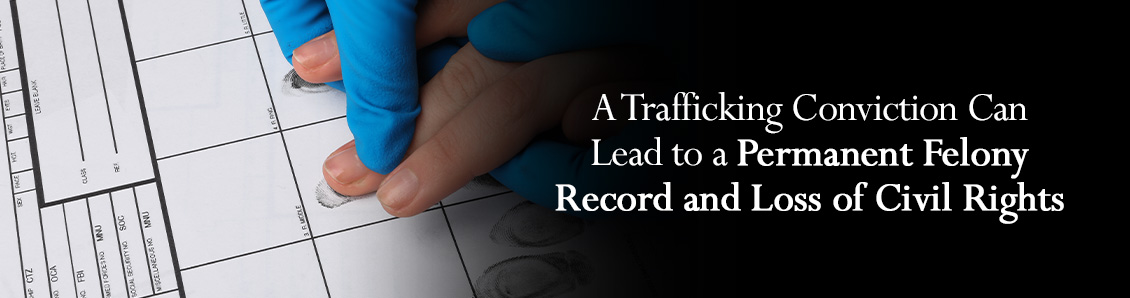
Beyond prison and fines, a trafficking conviction can lead to:
- Permanent felony record
- Loss of professional licenses
- Immigration consequences (including deportation)
- Loss of civil rights
- Difficulty securing employment or housing
- Asset seizure (cash, vehicles, property)
These long-term consequences often extend well beyond the sentence itself.
Why Drug Trafficking Cases Require Strong Legal Defense
Drug trafficking cases frequently involve:
- Undercover operations
- Confidential informants
- Wiretaps and surveillance
- Search and seizure issues
- Forensic drug testing
Law enforcement and prosecutors may build cases over months or years. Challenging how evidence was obtained, the accuracy of drug weights, or the legality of searches can be critical to the defense.
At Donet, McMillan & Trontz, P.A., the attorneys understand how Florida and federal drug trafficking laws are enforced and how aggressively these cases are prosecuted. Their experience allows them to analyze the prosecution's evidence, identify constitutional violations, and pursue strategies aimed at reducing or dismissing charges where possible.
Can Drug Trafficking Charges Be Reduced?
In some cases, drug trafficking charges may be reduced through:
- Challenging the weight or purity of the substance
- Suppressing unlawfully obtained evidence
- Negotiating with prosecutors
- Identifying weaknesses in chain of custody
- Demonstrating lack of knowledge or control
Early legal representation is often key to preserving these defense options.

Final Thoughts
Drug trafficking charges carry some of the most severe penalties in the criminal justice system. Mandatory minimum sentences, large fines, and long-term consequences make these cases especially high-stakes.
Experienced legal counsel can make a meaningful difference in how your case is handled and resolved. Remember: you can always count on the experienced defense attorneys at Donet, McMillan & Trontz, P.A. to navigate the process more smoothly.