Common Crimes Aboard Cruise Ships
June 04, 2026
Cruise vacations are marketed as safe, luxurious, and carefree—but like any environment with thousands of passengers in a confined space, crime can and does occur. Understanding the common crimes aboard cruise ships is essential whether you are a traveler, victim, witness, or someone facing allegations while at sea.
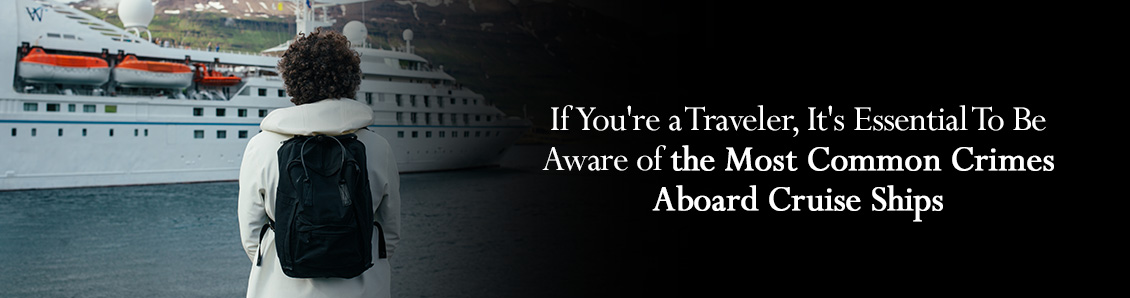
Because cruise ships travel through U.S. waters, international waters, and foreign ports, the legal framework surrounding cruise ship crime can be extremely complicated. At Donet, McMillan & Trontz, P.A., our attorneys have experience navigating federal and maritime criminal issues, helping clients protect their rights when incidents occur at sea.
Below are the crimes most frequently reported aboard major cruise lines.
1. Theft and Property Crimes
Theft is one of the most common offenses on cruise ships. With passengers leaving cabins unattended and the presence of large amounts of cash, jewelry, and electronics, opportunities for theft are high.
Common scenarios include:
- Cabin break-ins
- Theft from unlocked rooms
- Pickpocketing in crowded areas
- Bag theft during excursions
Although cruise ship security may conduct an internal investigation, U.S. federal law often applies once the ship departs a U.S. port.
2. Sexual Assault and Sexual Misconduct
Unfortunately, sexual assault is one of the most frequently reported violent crimes on cruise ships, including:
- Assault between passengers.
- Assault involving crew members.
- Voyeurism or secretly recording others in cabins or bathrooms.
- Unwanted touching or groping.
Because ships operate under maritime jurisdiction, allegations of sexual assault may trigger involvement from the FBI, especially for ships leaving from Florida ports.
3. Assault and Physical Altercations
Altercations between passengers—often fueled by alcohol—are common. These may involve:
- Bar fights
- Domestic disputes
- Passenger–crew confrontations
Depending on where the ship is located at the time, charges may fall under U.S. federal jurisdiction, state jurisdiction (while docked), or even foreign law.
4. Drug Possession and Drug Smuggling

Cruise travelers sometimes bring illegal drugs on board or attempt to purchase them during foreign excursions. Cruise lines have strict zero-tolerance drug policies, and drug cases frequently involve:
- Marijuana possession
- Illicit pills
- Cocaine or other narcotics bought in port
- Trafficking or smuggling allegations
When the ship is in U.S. waters, passengers may face serious federal drug charges.
5. Fraud and Theft by Deception
Cruise ships can be a target for:
- Credit card fraud
- Identity theft
- Casino-related fraud
- Employee theft
These crimes often fall under federal jurisdiction because they occur in maritime territory.
6. Missing Persons and Suspicious Deaths
Disappearances happen more often than people realize. When a passenger goes missing at sea, investigations may involve:
- U.S. Coast Guard
- FBI
- International maritime authorities
These cases can involve criminal accusations, negligence claims, or wrongful death issues.
Legal Complications of Cruise Ship Crimes
- U.S. federal maritime law
- The law of the ship's flag state
- International law
- The law of the nearest port
This complexity is why anyone accused of a crime at sea—or anyone whose rights were violated—should seek legal advice immediately.
How Donet, McMillan & Trontz, P.A. Can Help
Navigating criminal allegations aboard a cruise ship can be overwhelming. Our defense attorneys assist with:
- Understanding which jurisdiction applies.
- Communicating with federal authorities (FBI, Coast Guard)
- Responding to cruise line investigations.
- Protecting your rights during questioning.
- Preparing a strong defense if charges follow on land.

If you are accused of a cruise ship crime or need legal guidance after an incident at sea, our firm is ready to help. Contact the experienced team at Donet, McMillan & Trontz, P.A. to ensure your rights—and your family—are protected every step of the way. You can call
(305) 444-0030 or visit
www.dmtlaw.com to schedule a confidential consultation.