Consequences of Misdemeanor Charges
August 28, 2026
Many people believe that a misdemeanor is a "minor" offense with few lasting consequences. While misdemeanors are generally less serious than felonies, they can still have a significant impact on your freedom, finances, career, and future opportunities.
A misdemeanor conviction can result in jail time, fines, probation, and a permanent criminal record that may affect your life long after your sentence is complete.
If you have been charged with a misdemeanor in Florida, understanding the potential consequences is an important first step toward protecting your rights.
At Donet, McMillan & Trontz, P.A., our experienced criminal defense attorneys help clients navigate misdemeanor cases and pursue the best possible outcome through strategic legal representation.
What Is a Misdemeanor?
A misdemeanor is a criminal offense that is generally punishable by up to one year in county jail. Although misdemeanors are considered less severe than felonies, they are still criminal offenses that can carry serious legal and personal consequences.
Common misdemeanor charges in Florida include:
- Petit theft
- Simple assault
- Simple battery
- Disorderly conduct
- Criminal mischief
- Trespassing
- First-time DUI in certain circumstances
- Driving with a suspended license (in some cases)
- Possession of small amounts of certain controlled substances, depending on the charge
The severity of the penalties depends on the offense and the specific facts of the case.
Types of Misdemeanors in Florida
Florida generally recognizes two categories of misdemeanors.
Second-Degree Misdemeanors
These are the less serious misdemeanor offenses. Potential penalties include:
- Up to 60 days in jail
- Up to 6 months of probation
- Up to $500 in fines
First-Degree Misdemeanors
These offenses carry more significant penalties. Potential consequences include:
- Up to 1 year in county jail
- Up to 1 year of probation
- Up to $1,000 in fines
Some offenses may also include mandatory educational courses, counseling, restitution, or community service.
A Criminal Record Can Follow You
One of the most significant consequences of a misdemeanor conviction is the creation of a criminal record. A criminal record may appear during:
- Employment background checks
- Professional licensing applications
- College admissions
- Volunteer opportunities
- Housing applications
Even if jail time is avoided, a conviction can continue to affect your opportunities for years.
Employment Consequences
Many employers conduct background checks before hiring. A misdemeanor conviction may:
- Reduce job opportunities
- Delay hiring decisions
- Affect promotions
- Limit careers requiring professional licenses or security clearances
While not every employer automatically disqualifies applicants with misdemeanor convictions, the record can become an obstacle.
Professional Licensing Issues
Certain licensed professionals may face disciplinary action after a misdemeanor conviction. Depending on the profession, licensing boards may review convictions involving:
- Fraud
- Theft
- Violence
- Controlled substances
Healthcare workers, teachers, real estate professionals, and others may experience additional scrutiny.
Immigration Consequences
For non-U.S. citizens, some misdemeanor convictions may carry immigration consequences. Depending on the offense, a conviction could affect:
- Visa eligibility
- Lawful permanent resident status
- Naturalization applications
- Removal proceedings
Because immigration consequences can be complex, individuals facing criminal charges should seek legal advice promptly.
Driver's License Consequences
Certain misdemeanor offenses involving motor vehicles may result in:
- Driver's license suspension
- License revocation
- Mandatory driving courses
- Increased insurance premiums
These penalties may be imposed in addition to criminal sanctions.
Financial Consequences
Beyond fines, misdemeanor convictions may require payment of:
- Court costs
- Restitution to victims
- Probation fees
- Educational program fees
- Treatment or counseling costs
These expenses can quickly add up.
Probation and Court-Ordered Conditions
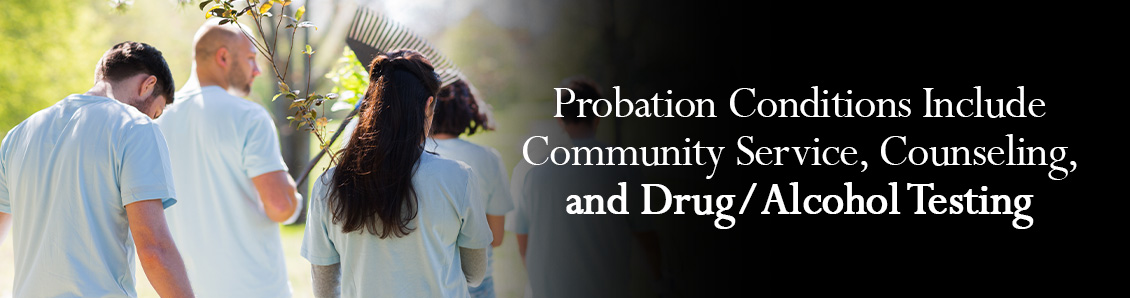
Instead of—or in addition to—jail, a judge may impose probation. Common probation conditions include:
- Reporting to a probation officer
- Completing community service
- Drug or alcohol testing
- Counseling or treatment programs
- Anger management classes
- Avoiding additional criminal offenses
Violating probation can lead to additional penalties, including incarceration.
Can Misdemeanor Charges Be Dismissed?
Depending on the circumstances, some misdemeanor cases may result in:
- Dismissal of charges
- Diversion programs
- Reduced charges
- Withholding of adjudication
- Eligibility to seal or expunge criminal records if legal requirements are met
Every case is different, and the available options depend on the facts and the applicable law.
Common Defenses to Misdemeanor Charges
An experienced criminal defense attorney may evaluate defenses such as:
- Lack of evidence
- Mistaken identity
- Self-defense
- Lack of criminal intent
- Constitutional violations
- Illegal searches or seizures
- Witness credibility issues
The best defense strategy depends on the unique facts of each case.
Why Legal Representation Matters
Because misdemeanor charges can have lasting consequences, obtaining legal representation early can be critical. A defense attorney may be able to:
- Review the prosecution's evidence
- Identify weaknesses in the case
- Negotiate for the reduction or dismissal of charges
- Pursue diversion opportunities
- Seek dismissal when appropriate
- Protect your constitutional rights throughout the proceedings
Early intervention often provides the greatest opportunity for a favorable outcome.
How Donet, McMillan & Trontz, P.A. Can Help
At Donet, McMillan & Trontz, P.A., we understand that even misdemeanor charges can disrupt your life. Our attorneys provide personalized representation designed to protect your rights and minimize the impact of criminal allegations.
We assist clients by:
- Conducting comprehensive case evaluations
- Provide a strategic defense
- Explaining every stage of the legal process
- Negotiating with prosecutors
- Seeking alternatives to a criminal record when available
- Aggressively defending clients in court when necessary
Our commitment is to help clients move forward with confidence while pursuing the best possible resolution.
Frequently Asked Questions
Is a misdemeanor considered a criminal offense?
Yes. Although less serious than a felony, a misdemeanor is still a criminal offense and can result in a criminal record with many negative collateral consequences.
Can I go to jail for a misdemeanor in Florida?
Yes. Depending on the offense, a misdemeanor conviction can result in up to one year in county jail.
Will a misdemeanor appear on a background check?
In many cases, yes. Unless a record has been sealed or expunged under Florida law, a misdemeanor conviction may appear during a background check.
Can first-time offenders avoid a conviction?
Possibly. Some individuals may qualify for diversion programs or other alternatives, depending on the offense and their criminal history.
Should I hire a lawyer for a misdemeanor charge?
Yes. Even a misdemeanor conviction can have lasting legal, financial, and personal consequences. An experienced criminal defense attorney can evaluate your options and work to protect your future.
Final Thoughts
The consequences of misdemeanor charges extend far beyond the possibility of jail time. A conviction can affect your career, finances, housing, education, immigration status, and reputation for years to come.
If you have been charged with a misdemeanor in Florida, do not assume the offense is too minor to require legal representation. The attorneys at Donet, McMillan & Trontz, P.A. are prepared to guide you through the criminal justice process, protect your rights, and pursue the best possible outcome for your case. You can call
(305) 444-0030 or request a free consultation online, and our legal team will be happy to assist you.