Can You Face Criminal Charges for AI-Generated Content? Understanding Florida's Deepfake Laws
May 29, 2026
As artificial intelligence rapidly evolves, so do the legal risks associated with its misuse. From realistic voice cloning to highly convincing manipulated videos, so-called "deepfakes" are raising serious concerns for lawmakers, courts, and the public.
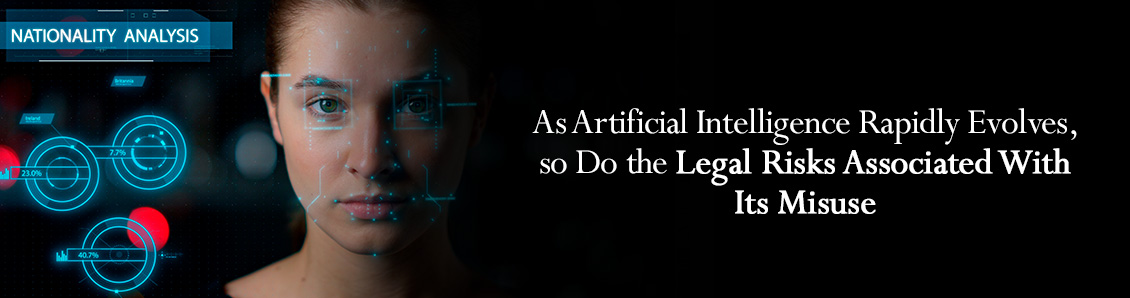
But can you actually face criminal charges for AI-generated content? The answer is yes—under certain circumstances, especially in Florida.
This article explains how Florida law treats AI-generated content, when it may cross into criminal conduct, and what you need to know to protect yourself.
What Is a Deepfake?
A deepfake is a form of AI-generated media that manipulates or fabricates images, audio, or video to make it appear that a person said or did something they did not.
Common examples include:
- Face-swapped videos
- AI-generated voice recordings
- Fabricated explicit images
- Altered political or public statements
While some uses are harmless or for entertainment, others can lead to serious legal consequences.
Are Deepfakes Illegal in Florida?
Deepfakes themselves are not automatically illegal. However, they can become criminal if they violate existing laws or fall under specific statutes.
Florida has enacted laws addressing certain uses of manipulated media, particularly when it involves:
- Elections
- Sexual content
- Harassment or exploitation
Deepfakes and Election Interference
Florida law prohibits the use of deceptive or manipulated media intended to influence elections.
Creating or distributing a deepfake that falsely depicts a political candidate or public official in a misleading way—especially close to an election—can result in legal consequences.
These laws are designed to protect voters from misinformation and preserve election integrity.
AI-Generated Sexual Content and Exploitation
One of the most serious areas of concern involves AI-generated sexual content.
You may face criminal charges if AI-generated material involves:
- Minors (even if the image is artificially created)
- Non-consensual explicit content using a real person's likeness
- Distribution of sexually explicit deepfakes intended to harm or exploit
These cases can fall under laws related to:
- Sexual exploitation
- Cyber harassment
- Revenge pornography
- Child exploitation statutes
Penalties can include felony charges, prison time, and mandatory registration requirements, depending on the facts.
Cyber Harassment and Online Threats
Using AI-generated content to harass, threaten, or intimidate someone can lead to criminal charges.
Examples include:
- Creating fake videos to damage someone's reputation
- Sending threatening AI-generated messages
- Impersonating someone online to cause harm
These actions may be prosecuted under Florida's cyberstalking and harassment laws.
Fraud and Identity Theft Using AI
AI-generated content can also be used to commit fraud or identity theft, such as:
- Voice cloning scams
- Fake business communications
- Financial impersonation schemes
If AI is used to deceive someone for financial gain, it can lead to serious fraud charges, often prosecuted at both the state and federal level.
Federal Laws and AI-Generated Content
In the United States, federal law may apply when AI-generated content involves:
- Interstate communications
- Online platforms crossing state lines
- Financial fraud or cybercrime
- Child exploitation offenses
Federal agencies are increasingly focused on regulating and prosecuting misuse of AI technologies.
Potential Criminal Penalties
Depending on how AI-generated content is used, penalties may include:
- Misdemeanor or felony charges
- Jail or prison time
- Fines and restitution
- Injunctions or restraining orders
- Permanent criminal record
More serious offenses—especially those involving minors or fraud—can lead to long-term or mandatory prison sentences.
Legal Gray Areas and Emerging Laws
Because AI technology is evolving rapidly, the law is still catching up. This creates:
- Legal gray areas
- New legislation being introduced
- Expanding definitions of existing crimes
- Increased enforcement focus
What may seem like harmless digital content today could fall under stricter regulation tomorrow.
Defending Against AI-Related Criminal Charges
Cases involving AI-generated content often raise complex legal and technical issues.
Defense strategies may include:
- Lack of intent to harm or deceive
- First Amendment considerations
- Challenging identification of the creator
- Questioning digital evidence and attribution
- Demonstrating lawful or parody use
Each case is highly fact-specific and requires careful legal analysis.
How Donet, McMillan & Trontz, P.A. Can Help
At Donet, McMillan & Trontz, P.A., we stay at the forefront of emerging legal issues, including AI-related criminal charges. Our attorneys provide:
- Strategic defense for cybercrime and digital evidence cases
- Representation in both state and federal courts
- Protection of constitutional rights
- Guidance through complex and evolving legal frameworks
Early legal intervention is critical in cases involving AI and digital content.
FAQ: AI-Generated Content and Deepfake Laws in Florida
Are deepfakes illegal in Florida?
Not inherently. However, they become illegal when used for fraud, harassment, election interference, or exploitation.
Can I get in trouble for making a deepfake as a joke?
Possibly. Even if intended as a joke, you could face legal consequences if the content harms someone's reputation or violates specific laws.
Is AI-generated explicit content illegal?
It can be, especially if it involves minors or non-consensual use of someone's likeness.
Can AI be used as evidence in court?
Yes. AI-generated or digitally manipulated content can be analyzed and used as evidence, often with the help of forensic experts.
Are there federal laws about deepfakes?
There is growing federal regulation, and many existing laws (fraud, exploitation, cybercrime) already apply to AI-generated content.
Final Thoughts
So, can you face criminal charges for AI-generated content? In many situations, yes—especially when the content is used to deceive, exploit, or harm others.
As Florida continues to address the legal challenges posed by deepfakes and artificial intelligence, understanding your rights and responsibilities is more important than ever.
If you are under investigation or concerned about potential legal exposure, consulting with an experienced criminal defense attorney can help you navigate this rapidly evolving area of law. Don't hesitate to get a consultation with our experienced defense lawyers to avoid unexpected consequences.