How Are Felonies Classified in Florida?
July 31, 2026
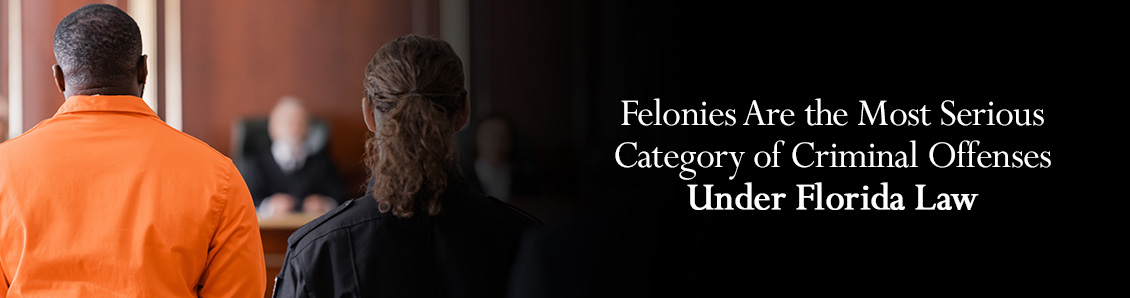
Felonies are the most serious category of criminal offenses under Florida law. Unlike misdemeanors, felony convictions can result in lengthy prison sentences, substantial fines, and lifelong consequences that affect employment, housing, professional licensing, and civil rights.
If you are facing criminal charges, understanding how felonies are classified in Florida is an important first step in understanding the potential penalties and legal risks involved.
At Donet, McMillan & Trontz, P.A., we represent clients facing felony charges throughout Florida and help them navigate the complexities of the criminal justice system.
What Is a Felony?
A felony is generally a criminal offense punishable by more than one year of incarceration. Felony cases are typically handled in the Circuit Courts of Florida and often involve more severe penalties than misdemeanor offenses.
Common felony charges include:
- Child pornography (CSAM) offenses
- Drug trafficking
- Aggravated assault/battery
- Grand theft
- Fraud offenses
- DUI manslaughter
- Vehicular homicide
Florida classifies felonies into several categories based on severity.
Third-Degree Felonies
Third-degree felonies are generally the least severe felony offenses under Florida law.
Examples of Third-Degree Felonies
- Possession of controlled substances
- Aggravated assault
- Grand theft involving lower-value property
- Certain fraud offenses
- Possession of child pornography
Potential Penalties
- Up to 5 years in prison
- Up to 5 years of probation
- Up to $5,000 in fines
Although considered the lowest felony level, a third-degree felony conviction can still have serious long-term consequences.
Second-Degree Felonies
Second-degree felonies carry significantly harsher penalties.
Examples of Second-Degree Felonies
- Aggravated battery
- Certain domestic violence cases
- Certain burglary offenses
- Theft offenses dependent on the amount
- Organized schem to defraud
Potential Penalties
- Up to 15 years in prison
- Up to 15 years of probation
- Up to $10,000 in fines

First-Degree Felonies
First-degree felonies are among the most serious crimes prosecuted in Florida.
Examples of First-Degree Felonies
- Drug trafficking
- Sexual assault/battery
- Kidnapping
- Certain cybercrimes
Potential Penalties
- Up to 30 years in prison
- Up to 30 years of probation
- Up to $10,000 in fines
Some first-degree felonies may also trigger mandatory minimum prison sentences.
Life Felonies
A life felony is more serious than a first-degree felony and carries the possibility of life imprisonment.
Examples of Life Felonies
- Armed drug trafficking
- Aggravated sexual offenses
- Certain sexual offenses involving children
Potential Penalties
- Life imprisonment
- Significant fines
- Lifetime consequences upon release
Capital Felonies
Capital felonies are the most serious criminal offenses under Florida law.
Examples of Capital Felonies
- First-degree murder cases
- Sex offenses involving minors
Potential Penalties
Depending on the circumstances and applicable law:
- Life imprisonment without parole in certain cases
- Other severe penalties authorized by Florida law
Capital cases involve unique procedures and are among the most complex criminal matters in the legal system.
Florida's Criminal Punishment Code
In addition to felony classifications, Florida uses a sentencing system known as the Criminal Punishment Code. Under this system, courts consider factors such as:
- The primary offense
- Prior criminal history
- Victim injury
- Additional offenses charged
These factors generate a sentencing score that can affect the minimum sentence imposed. As a result, two individuals charged with the same felony may face very different sentencing outcomes.
Enhanced Felony Penalties
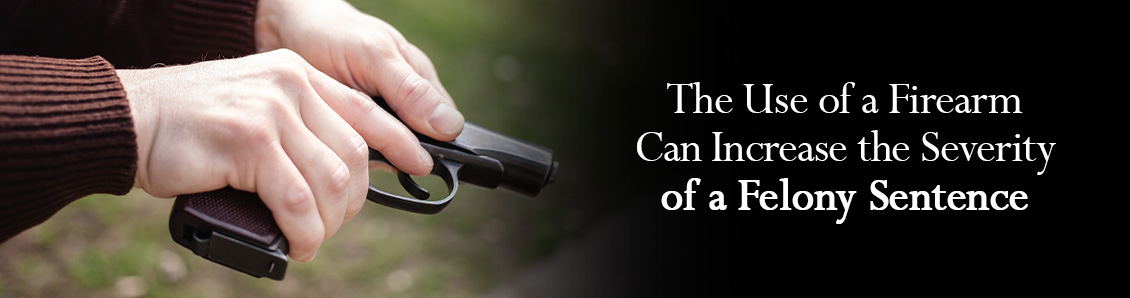
Certain circumstances can increase the severity of a felony sentence. Examples include:
- Use of a firearm
- Repeat offender status
- Gang-related activity
- Crimes against vulnerable victims
- Large financial losses in fraud cases
Enhancements can lead to mandatory minimum sentences and substantially longer prison terms.
Consequences Beyond Prison
A felony conviction can affect many aspects of life, including:
- Employment opportunities
- Professional licenses
- Housing eligibility
- Educational opportunities
- Firearm rights
- Immigration status
- Voting rights (subject to restoration requirements)
These collateral consequences often continue long after a criminal sentence has been completed.
Why Felony Classification Matters
The classification of a felony affects:
- Maximum prison exposure
- Potential fines
- Plea negotiations
- Sentencing guidelines
- Long-term consequences
Understanding the classification of a charge helps defendants make informed decisions throughout the legal process.
How Donet, McMillan & Trontz, P.A. Can Help
At Donet, McMillan & Trontz, P.A., we understand the serious impact felony charges can have on your life and future. Our criminal defense attorneys provide:
- Thorough case evaluations
- Strategic defense planning
- Protection of constitutional rights
- Representation in state and federal courts
- Aggressive advocacy throughout every stage of the case
Early legal intervention can often identify opportunities to reduce charges, challenge evidence, or pursue alternative resolutions.
Frequently Asked Questions
What is the lowest felony level in Florida?
A third-degree felony is generally the least severe felony classification in Florida.
Can a felony be reduced to a misdemeanor?
In some cases, yes. depending on the facts and circumstances, prosecutors may agree to reduce charges through negotiations.
Does every felony result in prison time?
No. Sentencing depends on the offense, criminal history, applicable sentencing guidelines, and other factors.
What is the difference between a life felony and a first-degree felony?
A life felony carries more severe penalties and may result in life imprisonment, while a first-degree felony generally carries a maximum sentence of 30 years unless enhanced by statute.
Should I hire an attorney if I am charged with a felony?
Yes. Felony convictions can have life-changing consequences, making experienced legal representation extremely important.

Final Thoughts
Understanding how felonies are classified in Florida can help you better understand the seriousness of a criminal charge and the potential consequences involved. From third-degree felonies to capital felonies, the penalties can be severe and long-lasting.
If you are facing felony charges, consulting with an experienced criminal defense attorney as early as possible can help protect your rights and provide the guidance you need throughout the legal process.
Secure the most reliable legal representation to beat your felony charge. Check out our website to learn more about our areas our expertise or get in touch with Donet, McMillan & Trontz, P.A. today!